
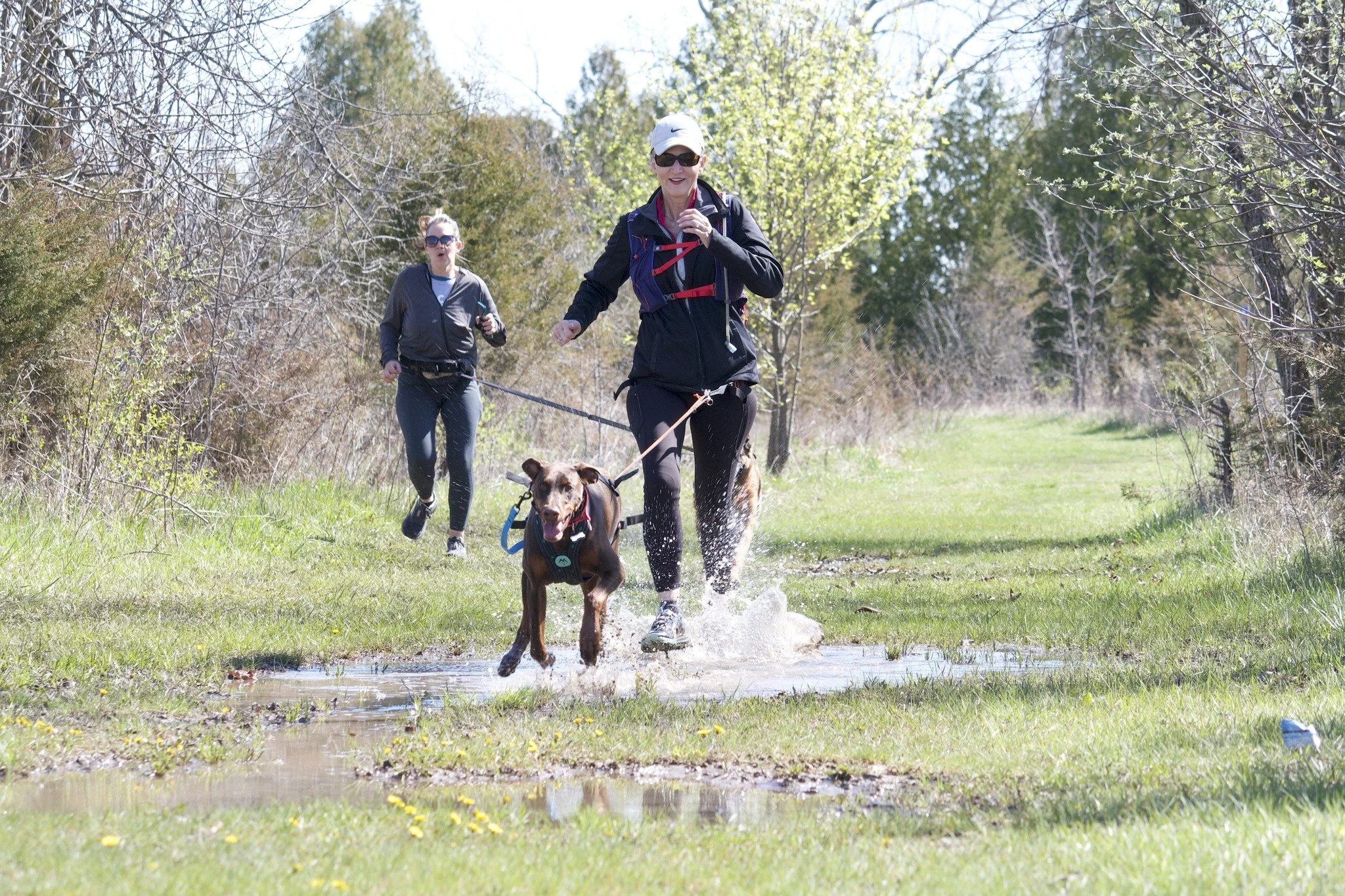
Starting your Canicross journey
One of the biggest misconceptions about dog-powered sports is that you need to be a runner, own specialized equipment, or have an incredibly athletic dog before you can get started.
You don't.
Many people begin by simply walking or hiking with their dog.
Some eventually progress to recreational canicross, bikejoring, or other dog-powered sports. Others discover they enjoy competing. There is no right or wrong path.
The most important thing is simply getting started.

Getting Started Is Easier Than you Think
Many people begin by walking.
Others start by alternating short jogging intervals with walking. As their fitness improves, those jogging intervals gradually become longer until one day they're running farther than they ever thought possible.
The same is true for dogs.
While many dogs enjoy running, most are not conditioned to comfortably run a 5K right away. Just like people, dogs benefit from gradually building endurance, strength, and confidence over time.
Starting slowly is often the best approach for both ends of the leash.
Many new participants are surprised to discover that dog-powered sports are far more welcoming and approachable than they expected. People often assume everyone in a canicross group is a seasoned athlete, but most recreational groups include participants of all ages, abilities, and experience levels.
Some people are training for races.
Others are simply looking for a fun way to spend time outdoors with their dogs.
Both belong here.
You do not need to run your first day.
You do not need expensive equipment.
You do not need an athletic dog.
YOU SIMPLY NEED WILLINGNESS TO GET OUTSIDE AND TRY SOMETHING NEW.
The rest can come later.
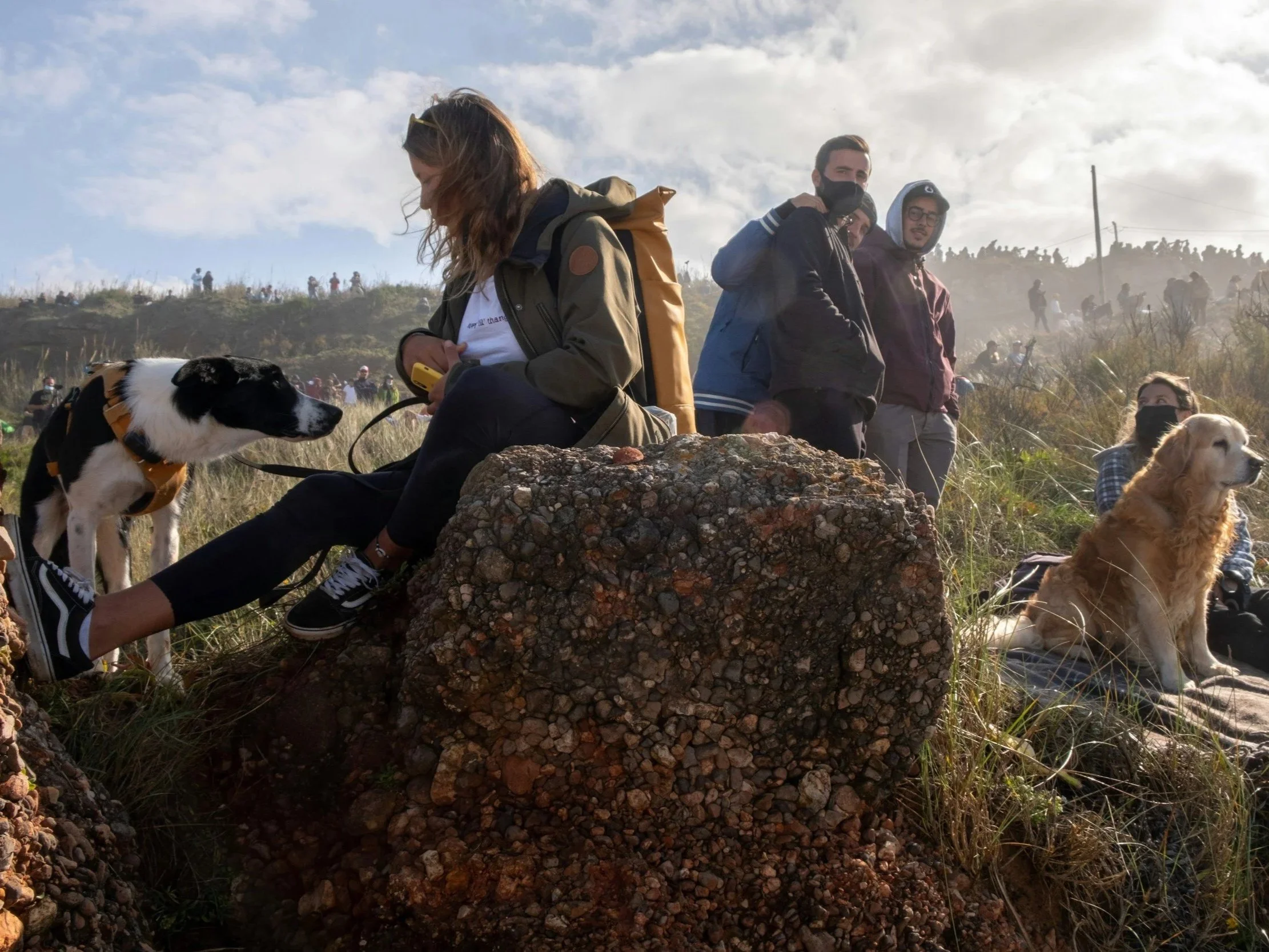
Recreational Participants
Many people participate in dog-powered sports simply because they enjoy spending time outdoors with their dogs.
A recreational outing might include:
Walking portions of the trail
Jogging at a comfortable pace
Taking breaks
Stopping to enjoy the scenery
Allowing dogs to explore and sniff
Socializing with other participants before or after activities
For these participants, the goal is not competition. The goal is adventure, exercise, community, and quality time with their dog.
In fact, many people remain recreational participants for years and enjoy the sport immensely without any desire to compete.
There is absolutely nothing wrong with this approach.
Dog-powered sports are not only for athletes. They are for anyone who wants to build a stronger relationship with their dog while enjoying the outdoors.
Whether you choose to walk, jog, run, race, or simply participate in group adventures, you are part of the dog-powered sports community.
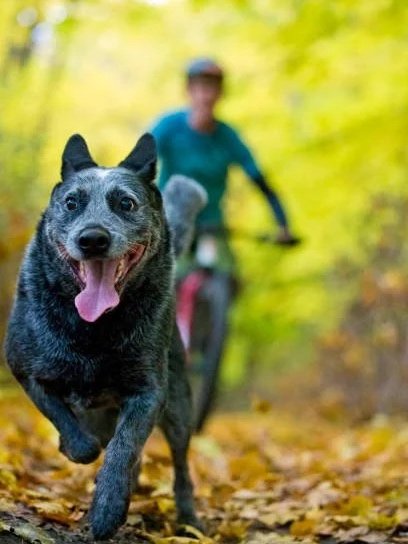
Competitive Participants
Some participants discover they enjoy the competitive side of dog-powered sports and choose to pursue racing, rankings, championships, or higher levels of performance.
While the equipment may look similar, competitive training often differs significantly from recreational participation.
The goal is not simply to exercise the dog—it is to build enthusiasm, focus, conditioning, and a strong desire to work.
Many competitive handlers intentionally create a clear distinction between "work time" and everyday activities. For example, some dogs only wear their pulling harness when it's time to run or train. Over time, the dog begins to associate the harness with excitement, teamwork, and an opportunity to do something they love.
Training sessions are often carefully structured. Rather than running until the dog is tired, many competitors intentionally stop while the dog is still eager to continue. This leaves the dog excited for the next session and helps build anticipation for future training.
Competitive teams also focus on gradually developing:
Endurance
Speed
Strength
Trail confidence
Focus around distractions
Understanding of directional commands
Physical conditioning and recovery
As conditioning improves, distances and intensity are increased in a thoughtful and progressive manner. Just like human athletes, dogs benefit from training plans that balance exercise, recovery, and skill development.
Over time, many dogs become highly motivated by the sport itself. They learn that seeing the harness, arriving at a trail, or hearing certain cues means it's time to run. What may appear to be natural excitement is often the result of months or years of consistent training and positive experiences.
It's important to remember that competitive participation exists on a spectrum. Some teams enjoy entering a few local races each year, while others pursue regional championships, national rankings, or international competition. There is no single "right" level of involvement—only the level that is enjoyable and rewarding for you and your dog.
Can I change My Goals Later?
Absolutely.
Many people start casually and become more competitive over time.
If your dog has spent months or years participating in a more relaxed style of activity, that doesn't mean competition is off the table.
You may simply need to change your training strategy.
By creating more structure, building anticipation, introducing shorter high-energy sessions, and rewarding effort, many dogs become significantly more engaged and motivated.
Likewise, some competitive teams eventually decide they would rather focus on fun and adventure than racing.
There is room for both approaches in dog-powered sports.