
Preparing Your Dog
Preparing Your Dog for Outdoor Group Adventures
Whether you're joining a group hike, trying canicross, paddling with your dog, camping for the weekend, or attending an outdoor yoga session, a little preparation goes a long way. Every adventure is different, but the same principles of safety, communication, and responsible stewardship apply to them all.
Group Expectations & Safety
Every adventure has its own expectations. Some activities, like Intro to Canicross, involve dogs working in harness. Others, like camping or yoga, focus on calm behavior and relaxation. Taking a few minutes to understand the expectations of each activity helps create a safer, more enjoyable experience for everyone involved.
To help create a safe, welcoming environment for all participants, CaniVenture follows a no-greet policy during meetups, classes, and group activities.
While many dogs enjoy interacting with other dogs, not every dog is comfortable with close encounters. Some dogs may be reactive, nervous, in training, recovering from an injury, or simply prefer more personal space.
For this reason, dogs should remain leashed and under control at all times unless otherwise directed by an instructor or event organizer. Participants should avoid allowing dogs to approach other dogs or people without explicit permission.
Even if you believe your dog is friendly, reliable, or enjoys socializing, it is important to remember that not every dog feels the same way. Maintaining appropriate space helps prevent unwanted interactions and creates a more predictable environment for everyone.
Handlers are responsible for the actions and behavior of their dogs at all times. Please be mindful of your surroundings, respect the space of others, and maintain a safe distance whenever possible.
By giving dogs room to focus on their handlers and activities, we create a safer, more enjoyable experience for everyone involved.
Nutrition & Fueling
Different adventures place different demands on your dog. A leisurely hike may require little additional nutrition, while longer hikes, canicross, backpacking, or multiple days of camping will increase your dog's caloric needs. Pay attention to your dog's body condition, energy level, and recovery, and remember that any dietary changes should be made gradually.
Active dogs require proper nutrition to support increased physical demand. As your dog begins running or pulling, their caloric needs may increase, and the quality of their diet becomes even more important.
A well-balanced diet supports endurance, recovery, and overall health. Sudden changes in activity level without adjusting nutrition can lead to fatigue or decreased performance, so it’s important to monitor your dog’s condition and make gradual adjustments as needed.
Hydration
Always carry enough water for both you and your dog. Even when hiking near lakes or streams, natural water sources may contain bacteria, parasites, or harmful algae. During longer outings or camping trips, plan water stops just as you would for yourself.
Hydration plays a critical role in your dog’s ability to perform safely. Dogs don’t regulate heat the same way humans do, so they can overheat more quickly—especially during physical activity.
Make sure your dog has access to water before and after activity, and be mindful of temperature and conditions. Avoid running during peak heat, and always watch for signs of overheating such as excessive panting, slowing down, or lack of focus.
Let Them Sniff First
Giving your dog a few minutes to sniff before beginning any activity helps them mentally settle into the environment. Whether you're heading out for a run, hike, paddle, or group class, allowing your dog to explore first often leads to better focus and a more enjoyable experience.
Before asking your dog to focus and work, it’s important to give them time to decompress and explore their environment. Allowing your dog to sniff and take in their surroundings before a run helps them mentally settle and transition into working mode.
This small step can make a big difference in focus, responsiveness, and overall enjoyment of the activity so try to get to meetups and activities a few minutes early to let them get their sniff on.
Proper Gear Matters
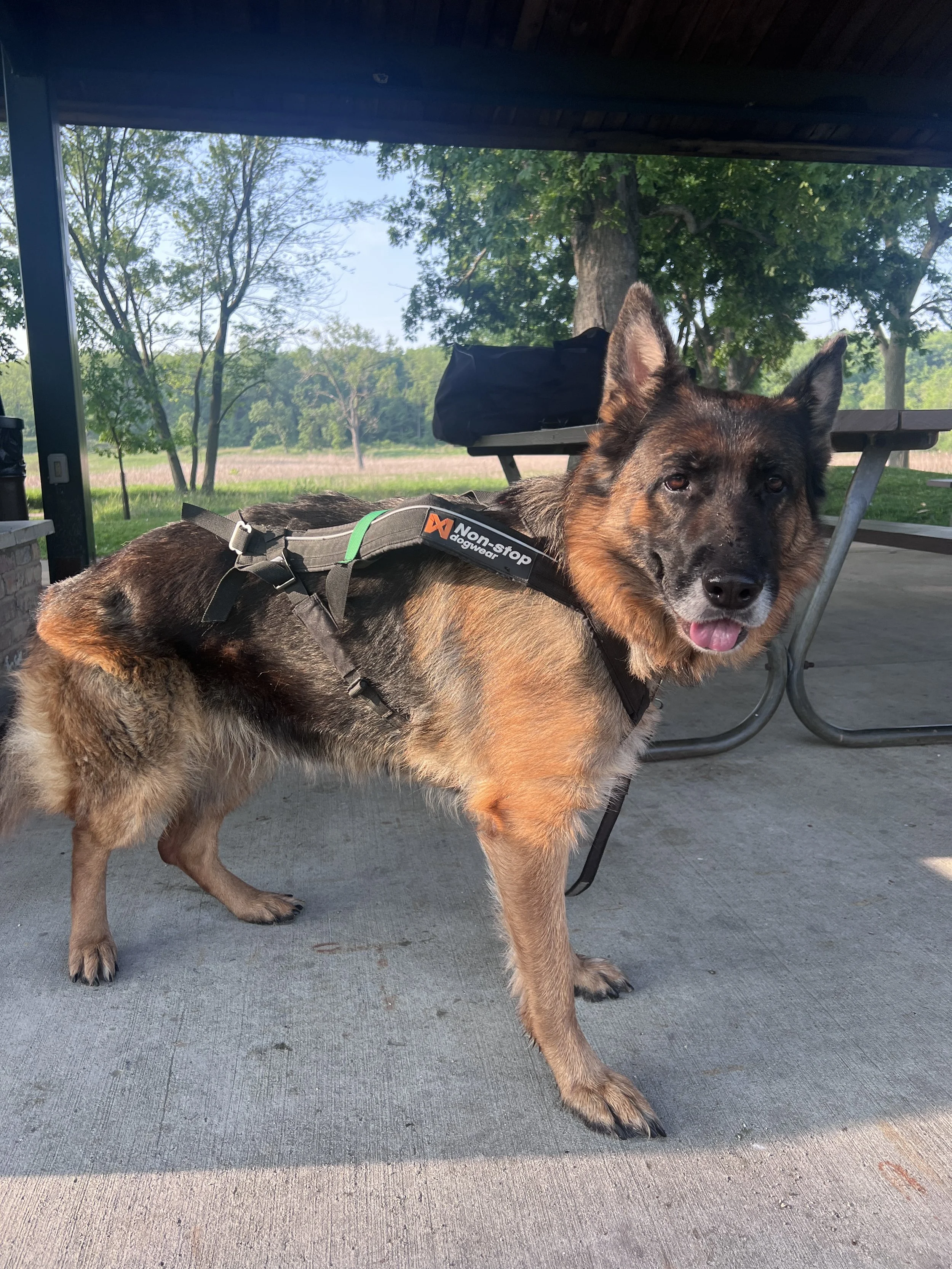
Using the correct equipment is essential for both safety and performance. Dog-powered sports use specialized harnesses, lines, and belts designed to distribute pressure properly and allow for natural movement. Kayaking safely means bringing a dog life jacket. Camping means creating a checklist for all the things your dog will need away from home.
Improper gear can lead to discomfort, restricted movement, or even injury. A first aid kit for you and your dog should always be accessible. Taking the time to ensure a proper fit and using equipment designed for the specific sport will set your dog up for success.
Choose the Right Terrain
Consider more than just the trail surface. Water crossings, steep climbs, rocky terrain, slippery boat launches, and crowded campgrounds may all affect your dog's comfort and confidence. Choose adventures that match your dog's current fitness level and experience.
Whenever possible, softer surfaces like dirt trails, grass, or natural terrain are preferred over hard surfaces like concrete or asphalt. These surfaces are easier on your dog’s joints and paws, especially over longer distances.
Trail environments also provide a more natural and enriching experience for both dog and handler, making the activity more enjoyable overall.
Age & Physical Development
Different activities have different physical demands. While young dogs can often enjoy short hikes and exploration, higher-impact activities like sustained running or pulling should wait until your dog has finished growing.
Dogs should be physically mature before participating in pulling or running sports. In most cases, this means waiting until your dog is at least 12 months old, though larger breeds may benefit from waiting longer.
Starting too early can place unnecessary stress on developing joints and bones. When in doubt, consult with your veterinarian before beginning any new physical activity.
Basic Obedience & Communication
A foundation of basic training helps make every outdoor adventure safer and more enjoyable for both you and your dog. Whether you're joining a group hike, trying canicross, camping for the weekend, paddling on the water, or simply exploring a new trail, clear communication builds confidence and helps your dog understand what's expected.
Your dog doesn't need to have perfect obedience, but they should have a basic understanding of common cues such as "wait," "leave it," "come," and walking calmly on a leash. Equally important is your ability to recognize your dog's body language and respond to their needs before they become overwhelmed or uncomfortable.
Training is an ongoing process, and every adventure provides another opportunity to strengthen your partnership. Focus on building trust, communication, and positive experiences rather than expecting perfection. A dog that looks to you for guidance and enjoys working with you is far more important than one that simply knows a long list of commands.
⚠️ Reactive or Unsocialized Dogs
Many reactive dogs enjoy outdoor adventures—they simply benefit from thoughtful planning, additional space, and the right environment.
Dogs that are reactive to people, dogs, or new environments may need additional preparation before participating in group activities.
That doesn’t mean they can’t participate—but it does mean a more thoughtful, structured approach is needed. Programs that focus on reactive dog prep or working one-on-one with a coach can help build confidence and create a safer experience for everyone involved.
Not sure how to determine if your dog is ready for a group setting? Try Trail Ready: Evaluating Your Dog’s Group Readiness.
If your pup needs some extra work you can join our Reactive Dog Adventure Club.
Start Slow & Build Gradually
New adventures should be introduced gradually. Whether you're teaching your dog to run in harness, paddle from a kayak, sleep in a tent, or attend a group meetup, building positive experiences over time creates confidence and long-term success.
Just like people, dogs need time to build endurance and strength. Start with short distances and low intensity, and gradually increase over time as your dog becomes more comfortable and conditioned.
Pay attention to your dog’s energy, recovery, and enthusiasm—these are your best indicators of how they’re handling the activity.
Trail Etiquette
Our adventures take place in shared outdoor spaces, which means we're not just representing ourselves—we're also representing the broader dog community. Practicing good outdoor etiquette helps create positive experiences for everyone and ensures dogs continue to be welcomed on trails, in parks, campgrounds, and other public spaces.
Always be aware of your surroundings and respectful of other trail users, including hikers, runners, cyclists, horseback riders, paddlers, wildlife, and other dogs. Slow down or step aside when appropriate, communicate clearly when passing, and keep your dog under control at all times.
Help protect the places we love by following Leave No Trace principles. Stay on designated trails whenever possible, pack out waste, dispose of dog waste properly, respect wildlife, and leave natural areas better than you found them.
Good etiquette isn't just about following rules—it's about being a considerate member of the outdoor community. Every positive interaction helps promote responsible dog ownership and encourages more opportunities for people and dogs to adventure together.
Keeping a Safe Distance from Other Dogs
Even if your dog is well-trained and social, not every dog you encounter will be. Maintaining space between your dog and others is one of the most important safety practices in dog-powered sports.
When stopping or resting, keep your dog on a shorter line or leash and under control. Avoid allowing dogs to approach each other unexpectedly, especially when they are in harness or working mode. Giving other dogs space helps prevent unwanted interactions and ensures a safer, more predictable environment for everyone.
Watch Your Dog
Your dog is constantly communicating with you—you just have to know what to look for. Learning to recognize your dog's body language is one of the most valuable skills you can develop as an adventure partner.
Pay attention to your dog's energy, enthusiasm, breathing, movement, posture, and overall attitude throughout your outing. Signs such as slowing down, excessive panting, limping, reluctance to continue, stress signals, or a sudden change in behavior may indicate that your dog needs a break or that it's time to end the adventure.
Not every dog enjoys the same activities, distances, or environments, and that's okay. Some dogs thrive on long hikes, while others are happiest on shorter walks or quiet outings. The goal isn't to push your dog beyond their limits—it's to help them build confidence and create positive experiences they look forward to.
A successful adventure should leave both you and your dog wanting to do it again. When in doubt, slow down, shorten the outing, or choose an activity that's better suited to your dog's individual needs.
Veterinary Care & Health
Before beginning any new adventure, it's important to make sure your dog is healthy enough to participate. Regular veterinary care plays an important role in helping your dog enjoy an active lifestyle safely.
Annual wellness exams can help identify underlying health concerns that may affect your dog's ability to hike, run, paddle, camp, or participate in other outdoor activities. Maintaining a healthy body weight, staying current on parasite prevention, and discussing any existing injuries or medical conditions with your veterinarian can help prevent problems before they arise.
Keep in mind that every dog is different. Age, breed, fitness level, previous injuries, and overall health all influence the types of activities that may be appropriate. As you introduce new adventures, pay attention to how your dog recovers afterward and don't hesitate to adjust your plans if they seem uncomfortable or fatigued.
A healthy dog is more likely to enjoy every adventure, and regular veterinary care is one of the best ways to support a lifetime of safe, active experiences together.
Know Your Dog
One of the greatest joys of adventuring with your dog is discovering what they truly enjoy. Just like people, every dog has their own personality, preferences, strengths, and comfort level.
Some dogs thrive on long hikes through the woods, while others would rather paddle quietly in a kayak or relax at a campsite. Some love the excitement of canicross and running with purpose, while others are happiest exploring at a slower pace with plenty of time to sniff along the way. The goal isn't to make every dog enjoy every activity—it's to find the adventures that bring out the best in your individual dog.
Pay attention to what your dog is telling you. Notice what excites them, what makes them hesitant, and what leaves them happy and fulfilled. Building positive experiences at your dog's pace creates confidence, strengthens your partnership, and makes future adventures even more enjoyable.
At CaniVenture, we believe there is an adventure for every dog. The journey is about discovering it together.